







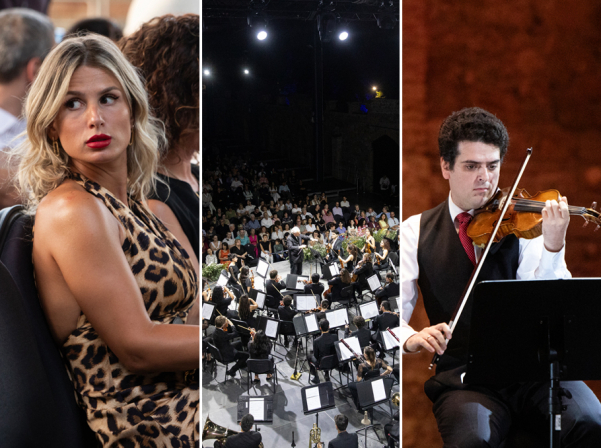
Deep Purple was scheduled to perform in Tbilisi on November 16, and of course we couldn’t miss it. The last time I saw my dear friend Ian Gillan was in June 2024, before Deep Purple’s open-air concert in Istanbul.
I last visited the Georgian capital a year ago, in November 2024 to conduct interviews with Georgian political analysts and intellectuals about the future of Armenian-Georgian relations in a changing region.
I was delighted to meet my friend of almost 30 years, Zviad Koridze, after a long hiatus, and equally thrilled to finally meet in person historian, literary scholar, former director of the State Museum of Georgian Literature, Lasha Bakradze, with whom all my previous communication had been exclusively remote.
Since the spring of 2023, when we visited Tbilisi and Tsinandali at the invitation of Silk Hospitality, I have always stayed at the Radisson Blu Hotel when I came to Tbilisi. The reasons are multiple: breathtaking views from the top-floor rooms with their enormous windows, prime location, and attentive staff. So when we decided to attend Deep Purple’s concert, staying here was an obvious choice. The hotel elevators are made of glass, and during my last year’s visit, I watched as nonstop activity buzzed inside Tbilisi’s former Central Post and Telegraph building, right next to Radisson Blu, which Silk Hospitality was converting into a new hotel, The Telegraph.
I knew the hotel had opened a few months earlier, as I had watched a YouTube video with the son of the building’s architect and George Ramishvili, founder of Silk Road Group.
I asked my colleagues if they could show me the hotel’s interior, since I was very curious to see how much one of Tbilisi’s landmark buildings had changed. Silk Hospitality surprised us: instead of the familiar Radisson Blu, they offered us a stay at the Telegraph on preferential terms.
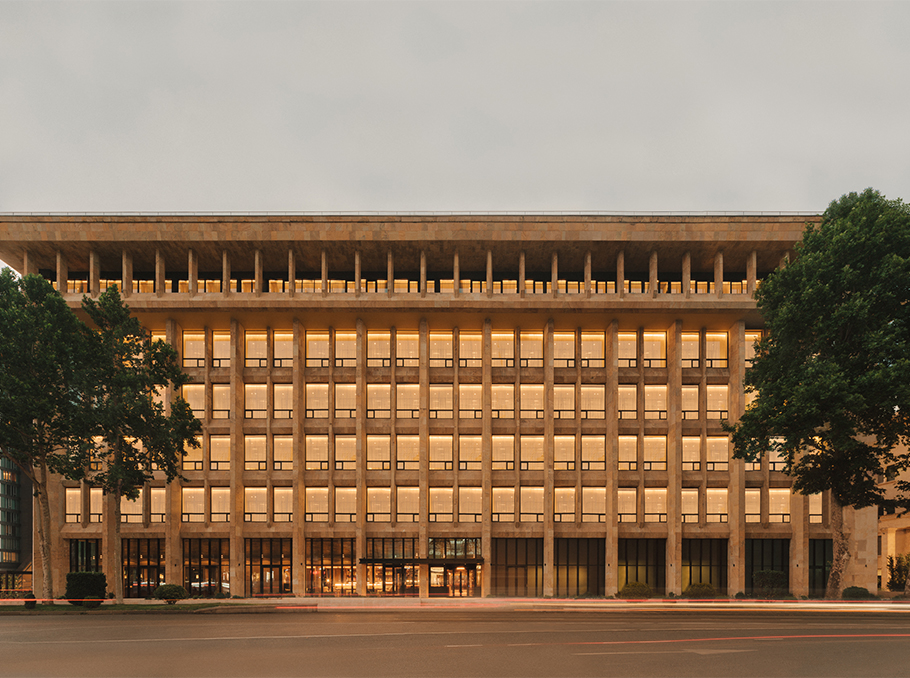
Photo: Silk Hospitality
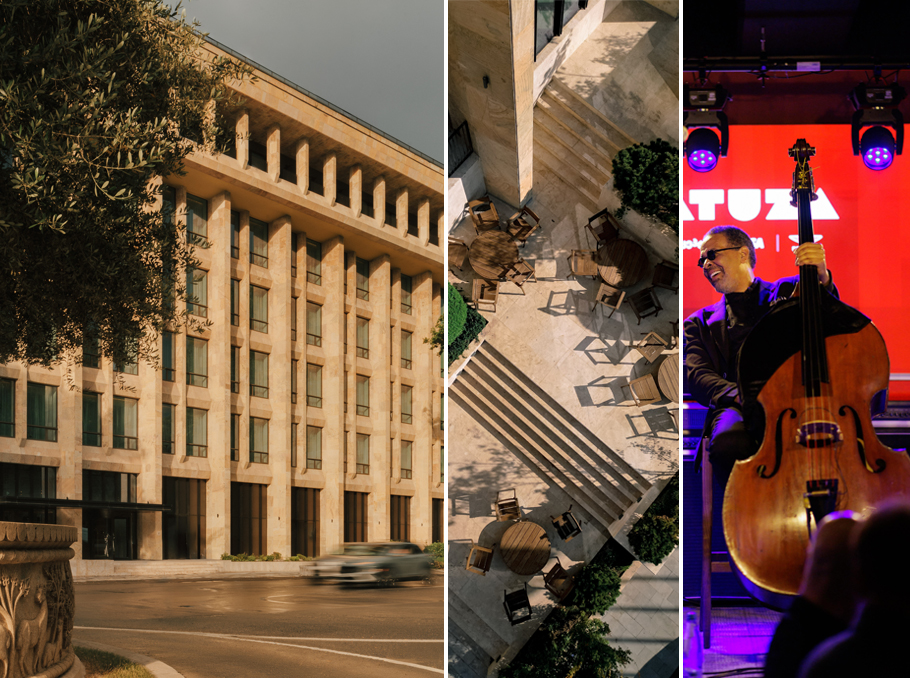
Designed in 1964 by Georgian architects Lado Meskhishvili and Teimuraz Mikashavidze, the Telegraph building was conceived as a monumental structure that would both reflect the past and define Tbilisi’s future. Its distinctive facade, monumental cornices, double atriums, and seamless integration into the surrounding urban axis made it an architectural landmark on Rustaveli Avenue. The building adapts beautifully to Tbilisi’s sloping terrain, with thoughtful transitions between levels, streets, and city views.

Iveria hotel (now Radisson Blu Iveria) and Post and Telegraph Office during Soviet times
For George Ramishvili, founder of Silk Road Group, it was about respecting the building’s architectural soul while elevating it with modern refinement. The result is a striking dialogue between midcentury modernism and contemporary classical design.
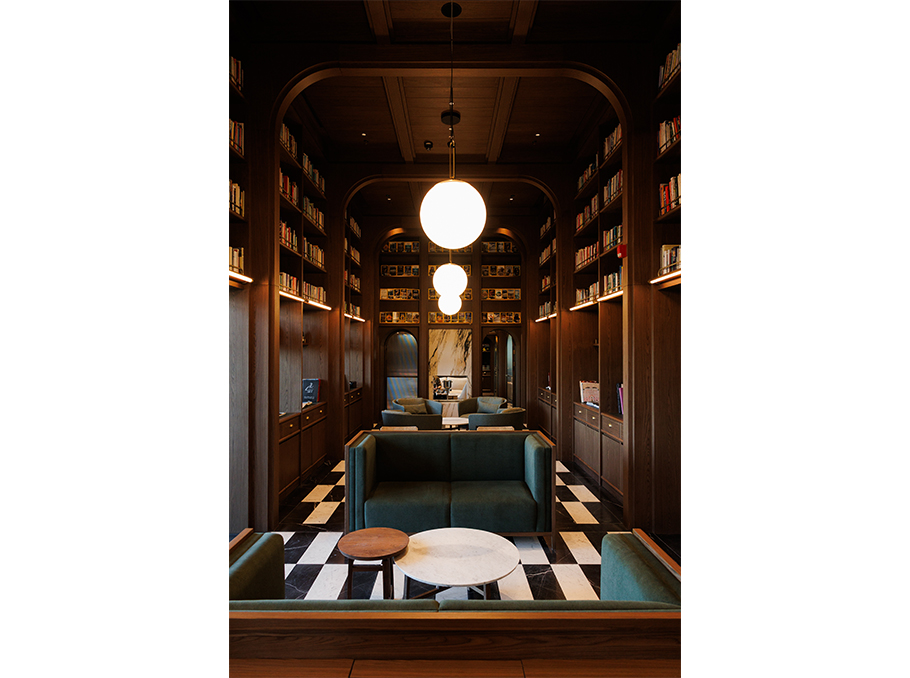
Photo: Silk Hospitality
You immediately get a sense of the building’s past as soon as you enter the room. It is quite long, probably around 15 meters, and is divided into zones separated by “windows,” just like in the old telegraph building.
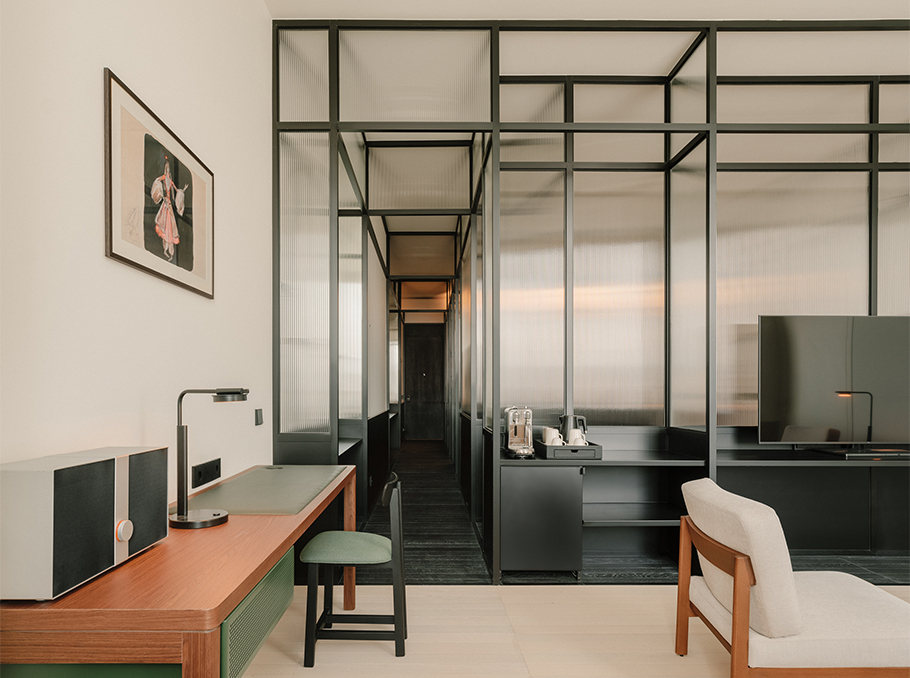
Photo: Silk Hospitality
There’s a bathroom, a bedroom, a work area, and a relaxation space that leads to a balcony with a sofa and an armchair. You can almost see Post and Telegraph office employees 50, 40, or 30 years ago arranging long-distance calls, receiving telegrams and letters right here.
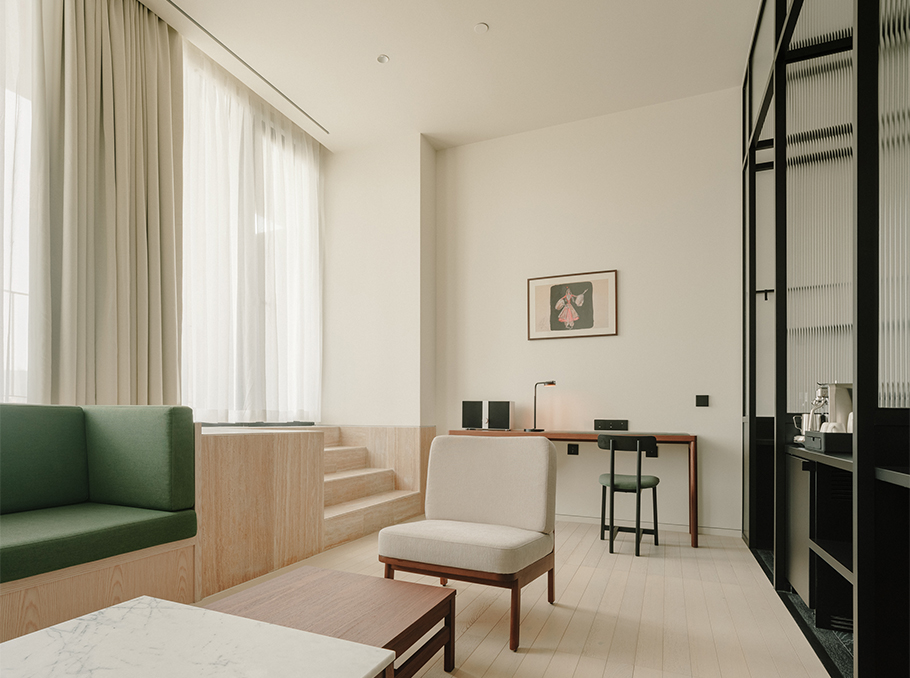
Photo: Silk Hospitality
It used to be a place where human emotions were “handled,” and that spirit still lingers in the Telegraph. I have never felt anything quite like it while staying at a hotel: the connection between times and generations here is not just beautiful words, but something you genuinely feel.
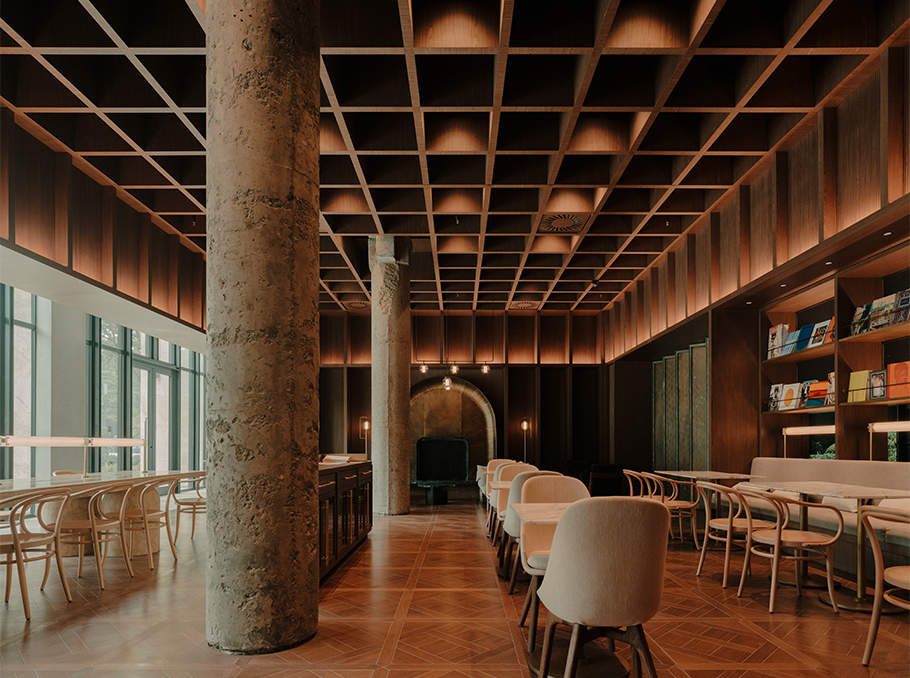
Photo: Silk Hospitality
“The Telegraph stands not only as a restored architectural icon, but as a vibrant destination - a gathering place for creatives, thinkers, and tastemakers, where every corner buzzes with culture, conversation, and contemporary Georgian life,” this is how the hotel is officially advertised. And it is one of the rare instances where the advertising text truly lives up to reality.
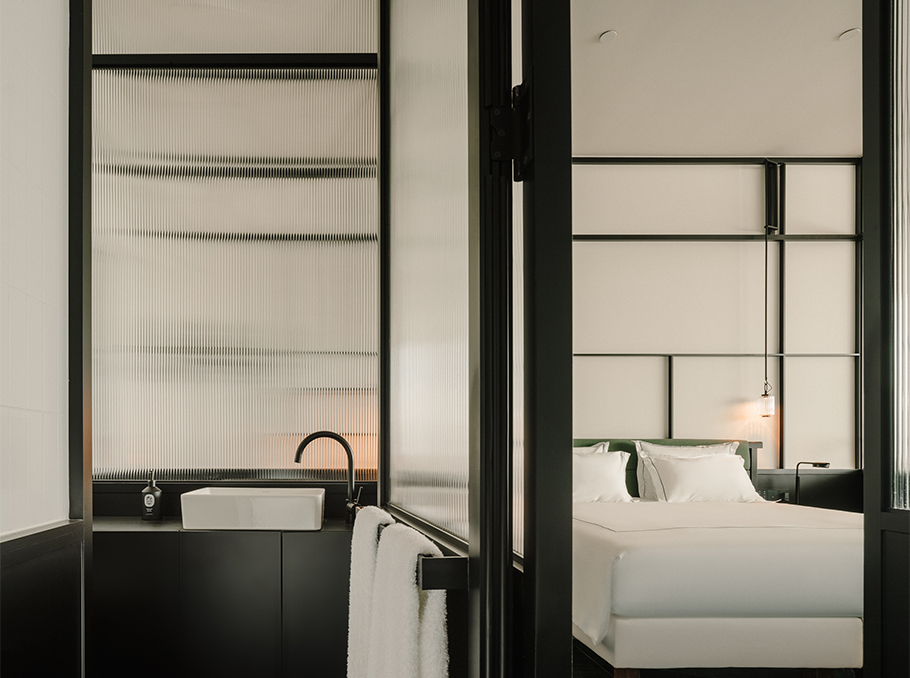
Photo: Silk Hospitality
The key element in preserving the connection between the former Post and Telegraph Office and the city is that the café and restaurants are open to everyone, not just hotel guests.
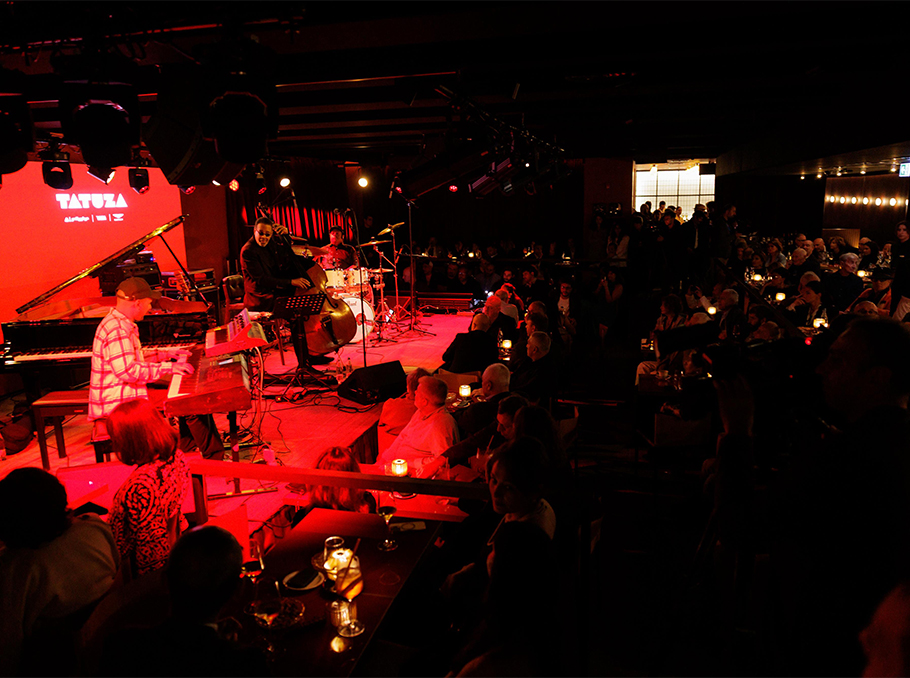
Photo: Silk Hospitality
During our three-day stay at the hotel, we watched people strolling in from Rustaveli Avenue, coming into the café, and carrying on with their conversations.
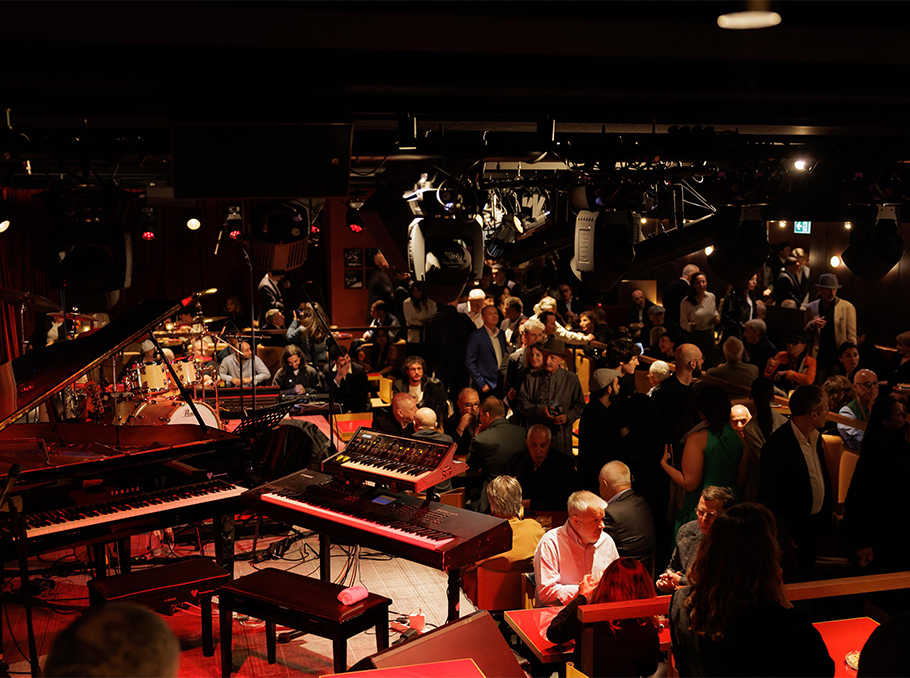
Photo: Silk Hospitality
Prices are pleasantly surprising: a cocktail at the Bell & Gray café costs about the same as at any bar on Shardeni Street, while the dishes at the hotel’s Asian Laan Thai or Italian Philosophico restaurants are on par with what you would expect to pay in Yerevan.
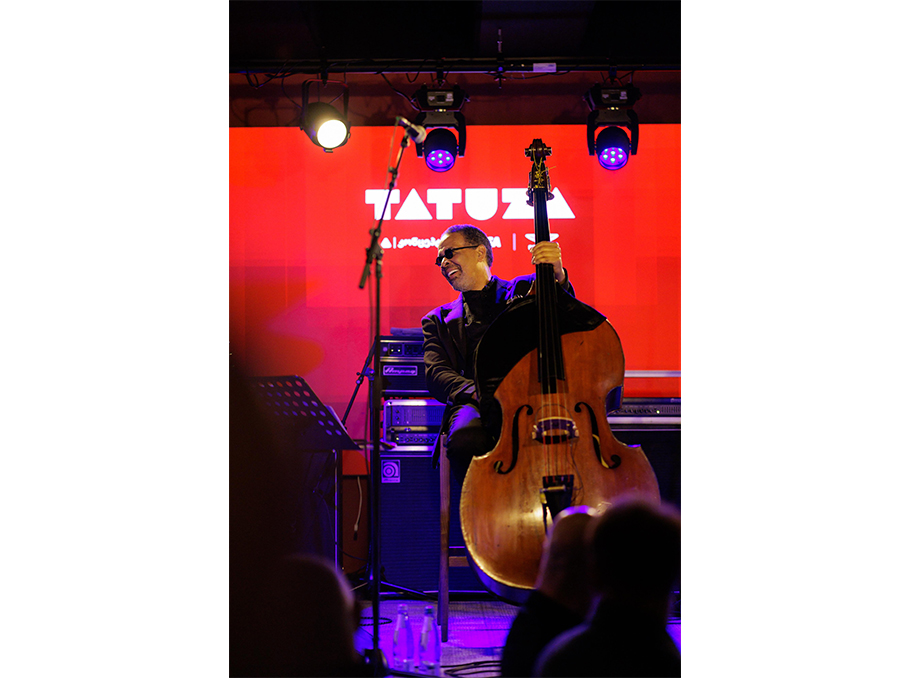
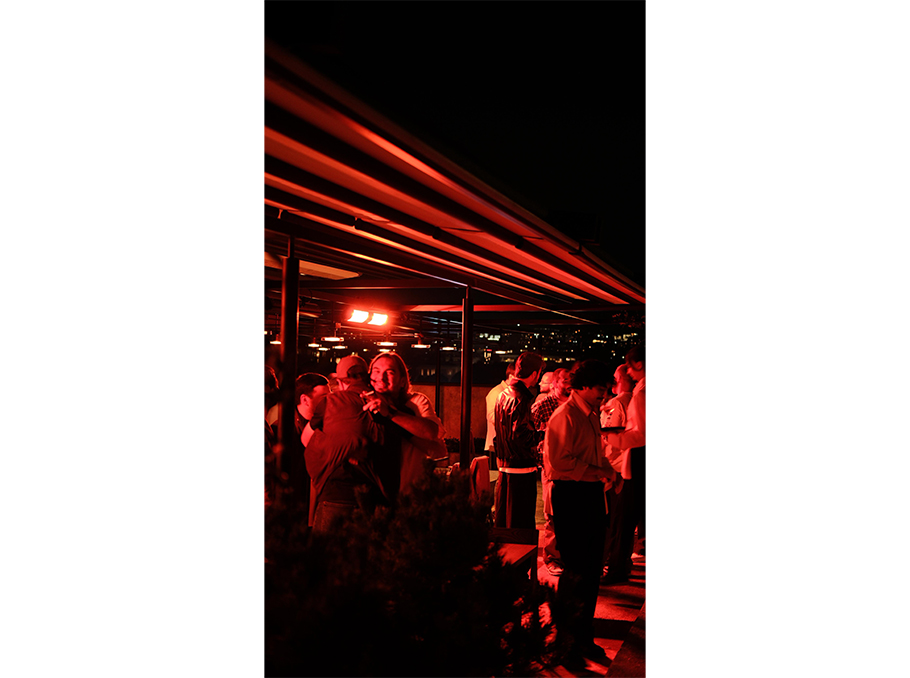
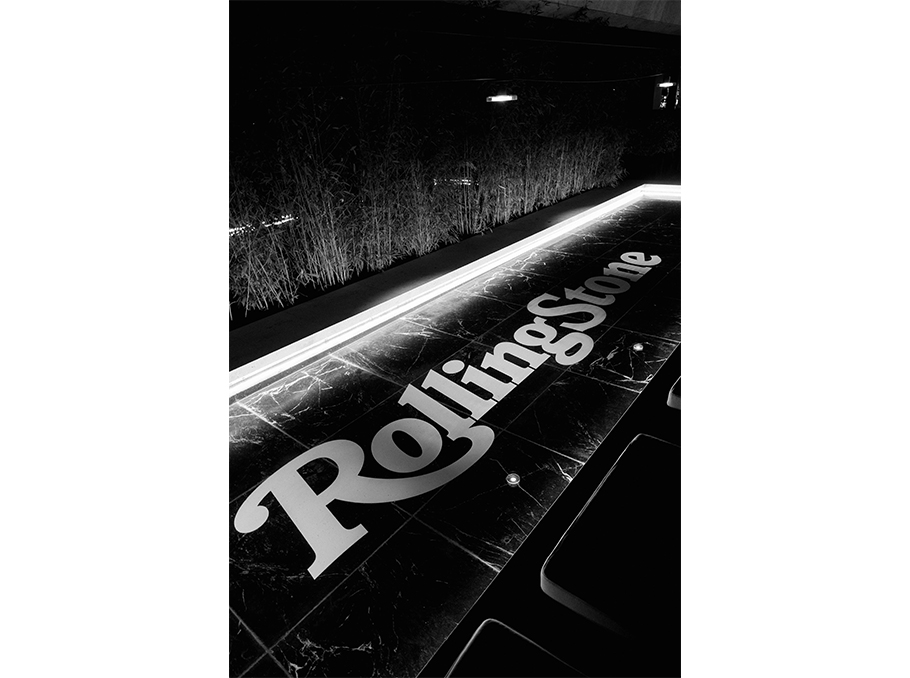
Although the Telegraph opened only a few months ago, its jazz club, Tatuza, has already earned a reputation as Georgia’s most iconic jazz venue. The most renowned local jazz musicians perform there every evening, and international musicians are also frequent guests. While writing this, I had the sudden idea to propose to Silk Hospitality’s friends that they organize Armenian jazz evenings at Tatuza. The Rolling Stone bar on the hotel’s top floor offers stunning views of Mount Mtatsminda.
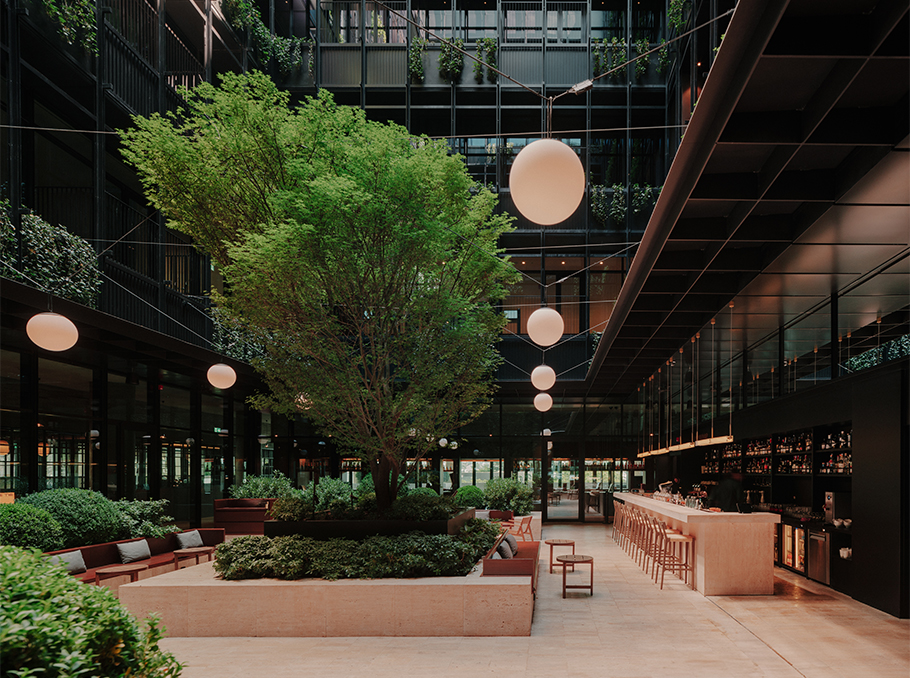
Photo: Silk Hospitality
Tbilisi’s former Post and Telegraph Office was transformed into the Telegraph Hotel by Neri & Hu company. Founded in Shanghai in 2004 by Lyndon Neri and Rosana Hu, the bureau is not strictly an architectural firm but a “design and research” studio. The Telegraph project clearly demonstrates the accuracy of that description: this result could only be achieved through meticulous research. Their multicultural perspective also played a key role: like Tbilisi itself, Neri and Hu embody diverse cultural influences. They had studied and worked in the United States before establishing Neri & Hu.
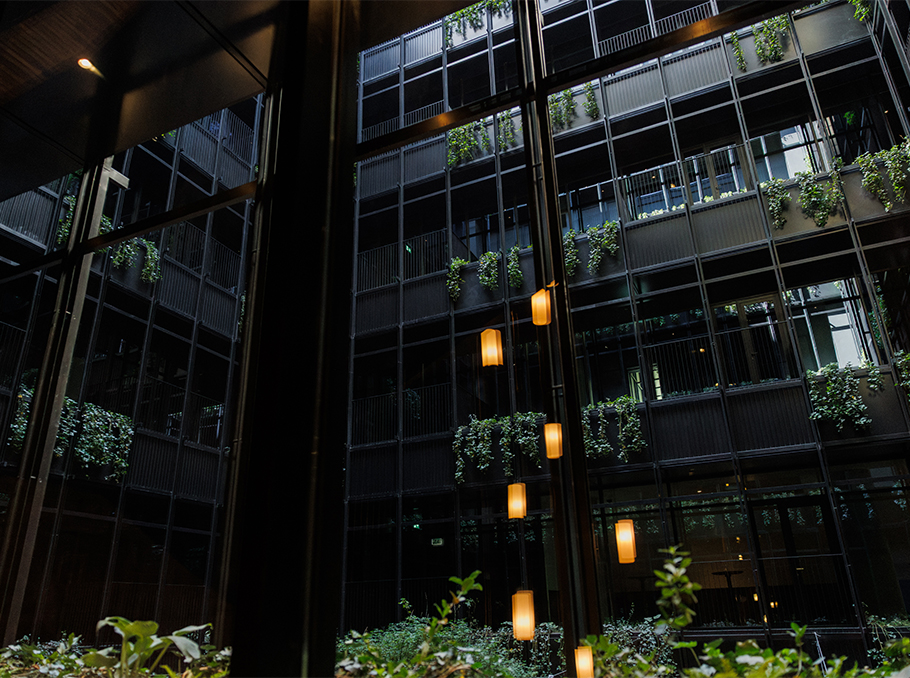
Photo: Silk Hospitality
After the Deep Purple concert, we headed to the Telegraph for a drink and to share our impressions. We went to the Courtyard Bar. It was a somewhat unusual feeling: you could feel that you were in a hotel, yet it also felt like one of Tbilisi’s traditional, warm courtyards. The next morning, breakfast at the Grand Café offered a completely different, but equally delightful experience, evoking the charm of one of Vienna’s famous cafés.
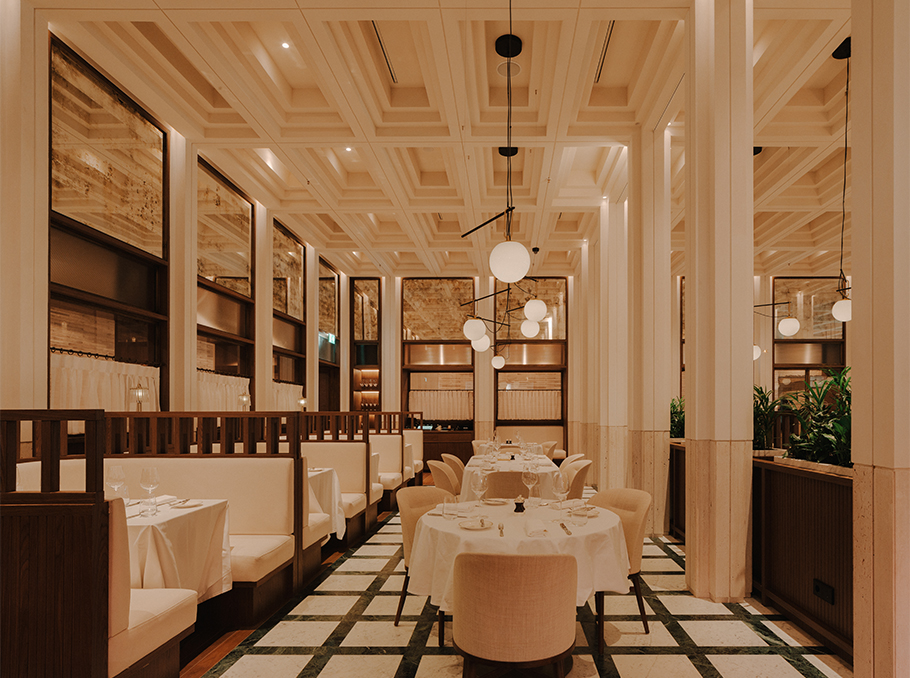
Photo: Silk Hospitality
The Telegraph is a celebration of history and tradition, a place where the connection between generations is carefully preserved. Unfortunately, in recent decades, we have seen the opposite approach in Yerevan. The new owners have at best preserved the facade of the old building or just a fragment, while creating an interior that bears no resemblance to the building’s original character.
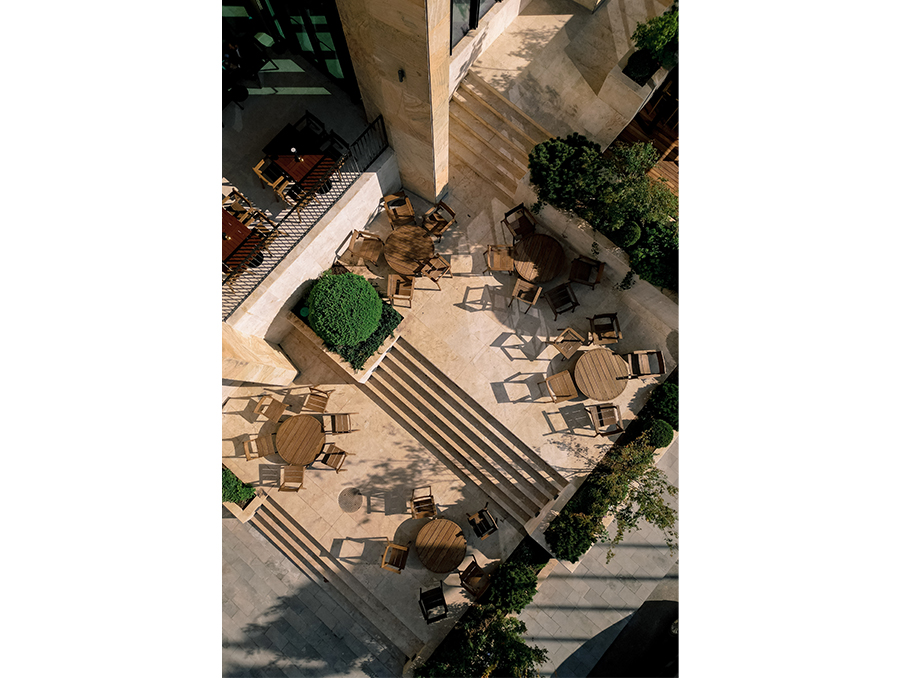
Photo: Silk Hospitality
And that “tradition” continues. Two days after returning from Tbilisi, I read that the former Haypost building at 22 Saryan Street will be torn down within the next 18 months after the developer had received official clearance to dismantle it.
Ara Tadevosyan